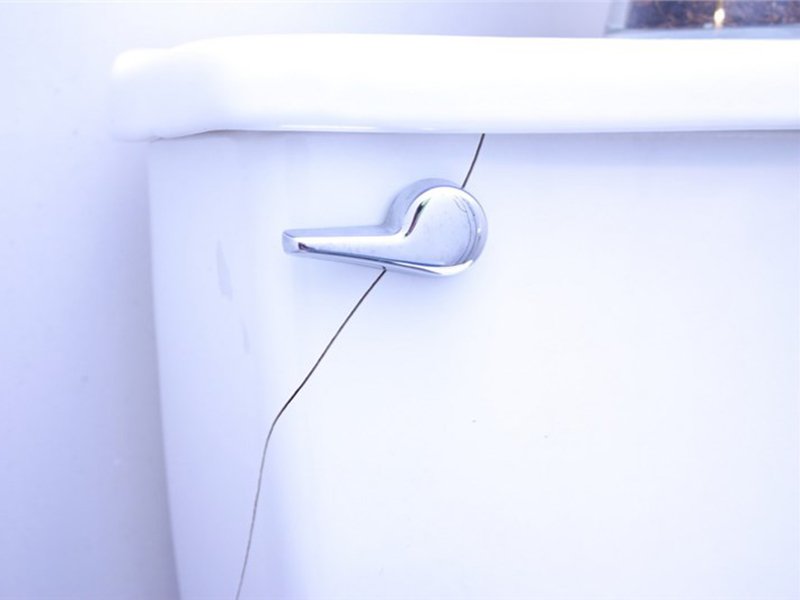
A crack in a ceramic wash basin, sink or toilet is easy to ignore until it starts to leak. Ceramic does not bend, so cracks usually come from a knock, an overtightened fitting or a sudden temperature change. Whether it can be repaired depends on where the crack is and whether it holds water.
Cracks that can usually be repaired
- Hairline cracks in the bowl of a basin that do not leak.
- Chips on the rim or edges.
- Cosmetic cracks on the outside of a toilet or the pedestal.
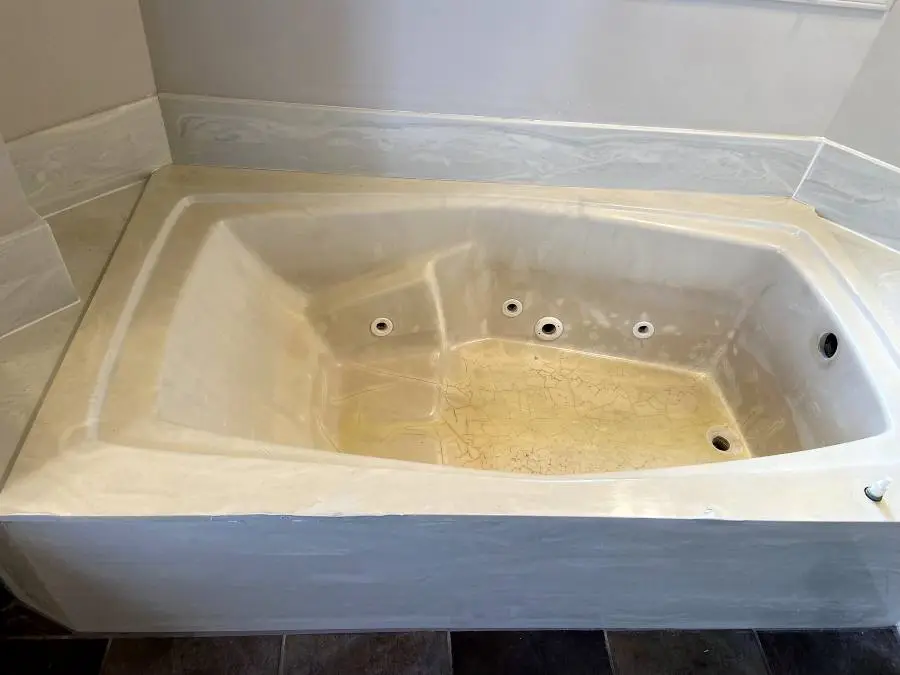
- Cracked vanity tops made of cultured marble or composite (see countertop crack repair).
Cracks that need replacement
- A crack that goes right through and leaks water.
- Cracks in a toilet bowl below the water line or in the cistern.
- A basin that is broken into pieces or loose on the wall.
For safety and hygiene, a toilet or basin that leaks through the ceramic should be replaced rather than patched.
How ceramic crack repair works
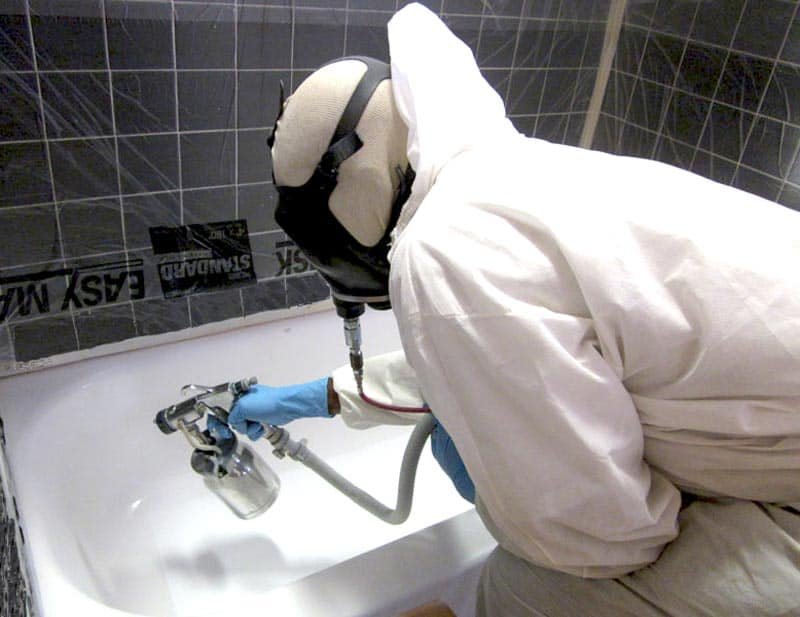
We clean the crack, fill it with a ceramic repair compound, sand it smooth and colour-match the surface so it blends in. On visible areas we refinish the surrounding surface for an even look. Most repairs take a few hours and can be used once the material has cured.
Preventing new cracks
- Do not overtighten taps, wastes or toilet seat fixings.
- Avoid pouring boiling water into a cold basin.
- Fix loose basins and pedestals early, before they crack.
See our ceramic crack repair and WC crack repair services.
Need a price for your bathroom? Send us a photo on WhatsApp and we will reply with the right repair and a free quote. Most jobs are done in one day, ready to use in 24–48 hours, with a 1-year warranty.